SECRET DOOR DISGUISED AS A BOOKSHELF IN MODERN INTERIOR DESIGN

The News 09/04/2026

SECRET DOOR DISGUISED AS A BOOKSHELF IN MODERN INTERIOR DESIGN

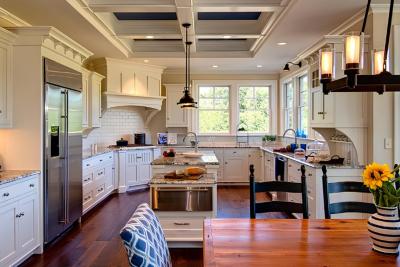
In the development of interior design, people no longer stop at meeting basic functional needs but also aim for higher values such as aesthetics, individuality, and spatial experience. One of the creative and unique ideas is using a bookshelf to disguise a secret door. This solution not only creates an interesting surprise but also helps optimize space and enhance the artistic value of interior architecture. A secret door disguised as a bookshelf is a special structural system in which the door is designed to be fully integrated with the surrounding bookshelf, completely concealing the existence of the passage behind it. Visually, observers only see a normal bookshelf, but in reality, it is a door that can open to lead to another space. The success of this design depends on construction precision, material consistency, and detailed craftsmanship.


Latest Blog

SECRET DOOR DISGUISED AS A BOOKSHELF IN MODERN INTERIOR DESIGN

09/04/2026

SECRET DOOR DISGUISED AS A BOOKSHELF IN MODERN INTERIOR DESIGN

In the development of interior design, people no longer stop at meeting basic functional needs but also aim for higher values such as aesthetics, individuality, and spatial experience. One of the creative and unique ideas is using a bookshelf to disguise a secret door. This solution not only creates an interesting surprise but also helps optimize space and enhance the artistic value of interior architecture. A secret door disguised as a bookshelf is a special structural system in which the door is designed to be fully integrated with the surrounding bookshelf, completely concealing the existence of the passage behind it. Visually, observers only see a normal bookshelf, but in reality, it is a door that can open to lead to another space. The success of this design depends on construction precision, material consistency, and detailed craftsmanship.

Minimalizing Living Spaces with Electrochromic Glass When Windows Become Works of Art

25/03/2026

Minimalizing Living Spaces with Electrochromic Glass: When Windows Become Works of Art

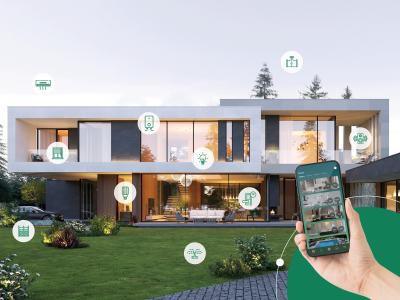
“Less is more” — the timeless motto of minimalism — is being redefined by the power of Industry 4.0 technologies. In modern interior design, the trend of eliminating unnecessary details to emphasize space and natural light has become stronger than ever. However, the greatest challenge for architects remains balancing open aesthetics with the need for privacy and thermal control. The emergence of electrochromic smart glass offers a perfect solution to this challenge. No longer do we need bulky curtain systems that collect dust and occupy space. With just a button, a smartphone touch, or even automated sensors, entire window systems and partitions can seamlessly transition from transparent to opaque or tinted states. This article explores how this technological innovation not only simplifies living spaces but also transforms ordinary windows into cinematic frames of the outside world.

FACADE AND CLADDING STRUCTURES IN MODERN ARCHITECTURE

24/03/2026

FACADE AND CLADDING STRUCTURES IN MODERN ARCHITECTURE

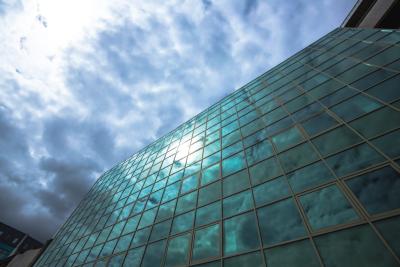
In modern architecture, a building is evaluated not only by the strength of its structure but also by its external appearance and adaptability to the environment. When observing a building, the first thing people notice is not the internal columns or beams but the outer layer – the area that most clearly expresses the building's identity and character. This outer layer is referred to as the facade and cladding. If the structural framework is the skeleton that ensures stability, the facade and cladding are the skin that protects and beautifies the building. Therefore, in contemporary architectural design, facades and cladding are no longer secondary elements but have become an essential system that combines engineering, aesthetics, and environmental performance.

Corncrete – Corn-Based Concrete and Its Potential Applications in Modern Construction

20/03/2026

Corncrete – Corn-Based Concrete and Its Potential Applications in Modern Construction

In the context of increasingly severe climate change, the construction industry—one of the largest consumers of natural resources and emitters of greenhouse gases—is facing an urgent need for transformation. Traditional concrete, while serving as a fundamental material for infrastructure development, is a significant source of CO₂ emissions due to the energy-intensive cement production process. Therefore, the research and development of environmentally friendly alternative building materials has become an inevitable trend. Among these, Corncrete—a type of bio-concrete made from corn and agricultural by-products—is emerging as a promising solution that combines modern technology with natural resources.

The Shenzhen–Zhongshan Link An Engineering Marvel Combining Bridges, Tunnels, and Artificial Islands

12/03/2026

The Shenzhen–Zhongshan Link: An Engineering Marvel Combining Bridges, Tunnels, and Artificial Islands

The rapid development of transportation infrastructure plays a vital role in driving economic growth and enhancing connectivity between major urban centers. Within China's Greater Bay Area, numerous large-scale transport projects have been implemented to bridge the gap between key cities. One of the most prominent feats of engineering is the Shenzhen–Zhongshan Link, a state-of-the-art cross-sea corridor connecting Shenzhen and Zhongshan. This project is notable not only for its massive scale but also for incorporating advanced technical solutions in the field of civil engineering. As a result, travel time between the two cities has been significantly reduced, fostering economic development and trade throughout the region (Guangdong Transport Authority, 2024).

Algae-Based Bio-Bricks When Microalgae Become the Building Material of the Future

23/02/2026

Algae-Based Bio-Bricks: When Microalgae Become the Building Material of the Future

In the context of the construction industry facing immense pressure from carbon emissions and resource depletion, new bio-based materials are increasingly becoming a central focus of sustainable architecture research. One of the most groundbreaking approaches in recent years is Algae-Based Bio-Bricks—bio-bricks made from microalgae that can significantly reduce CO₂ emissions and even store carbon directly within the building material itself. No longer confined to experimental concepts, this material is now being seriously developed as a potential substitute for conventional concrete and masonry bricks in the near future.

Vacuum Insulated Panels (VIP) – When Thermal Insulation No Longer Requires Thickness

02/02/2026

Vacuum Insulated Panels (VIP) – When Thermal Insulation No Longer Requires Thickness

In the context of climate change and rising energy costs, the modern construction industry is facing an urgent need to improve energy efficiency in buildings. One of the most important solutions to achieve this goal is enhancing the thermal insulation performance of the building envelope. In many developed countries, new building standards emphasize the role of highperformance insulation materials. Within this trend, Vacuum Insulated Panels (VIP) have emerged as an advanced technological solution, delivering outstanding thermal insulation performance while maintaining minimal thickness in building components.

Little Island – A Floating Architectural Island in the Hudson River, New York

15/01/2026

Little Island – A Floating Architectural Island in the Hudson River, New York

Amid the dense, concrete-filled landscape of New York City, Little Island emerges as a refreshing green breathing space—gentle yet full of character. Located on the Hudson River near the Meatpacking District, the park is not only a place for leisure but also a contemporary architectural work where people, nature, and art converge. Designed by Heatherwick Studio, Little Island has quickly become a new symbol of public space in New York—distinctive, emotional, and truly memorable.

Overwhelmed by Saigon Marina IFCs LED façade lighting system 5 WOW things you didnt know?

25/12/2025

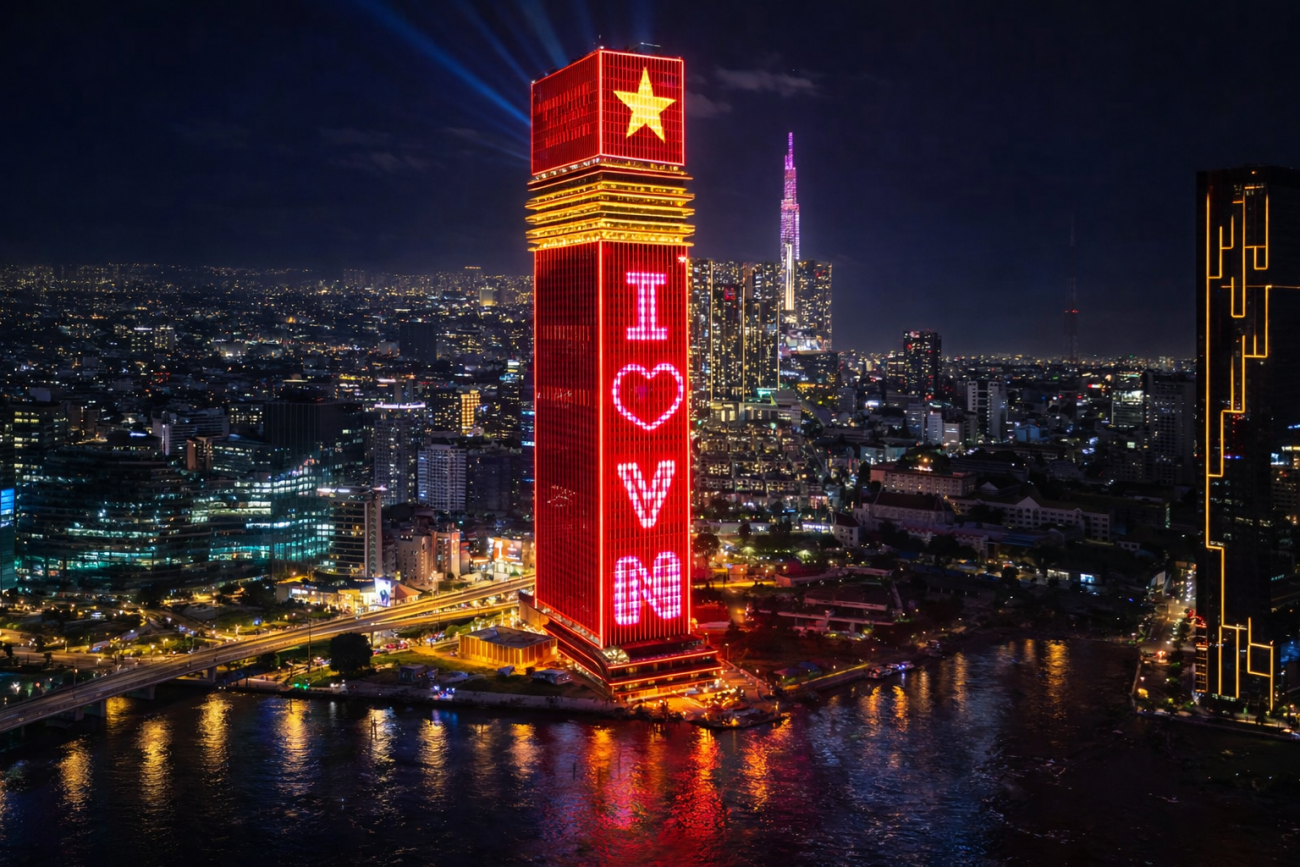
Overwhelmed by Saigon Marina IFC's LED façade lighting system: 5 "WOW" things you didn't know?

Walking by Ba Son at night and seeing the sky like "turning on the screen"? It is highly likely that you have just met Saigon Marina International Financial Centre (Saigon Marina IFC) – a 55-storey tower at No. 2 Ton Duc Thang (District 1). The façade LED system makes the building look like a giant "LED Matrix": standing far away, you feel like the whole tower is broadcasting content, constantly changing scenes according to the script.

Pantone Colors of the Year 2026 – Cloud Dancer Peaceful white reigns supreme

14/12/2025

Pantone Colors of the Year 2026 – Cloud Dancer: Peaceful white reigns supreme

Architectural Digest gợi ý Cloud Dancer phù hợp với plush fabrics và những hình khối “mềm”, tránh cảm giác cứng/rigid; họ liên hệ nó với cảm giác “weightless fullness” (nhẹ nhưng đầy) [3]. Đây là cơ hội cho các dòng vải bọc, rèm, thảm, bedding: màu trắng ngà làm nổi sợi dệt và tạo cảm giác chạm “ấm”.Pantone has announced the PANTONE 11-4201 Cloud Dancer as the Color of the Year 2026: a "buoyant" and balanced white, described as a whisper of peace in the midst of a noisy world. This is also the first time Pantone has chosen a white color since the "Color of the Year" program began in 1999. Pantone calls Cloud Dancer a "lofty/billowy" white tone that has a relaxing feel, giving the mind more space to create and innovate [1].

Floating Houses Amsterdam – Dutch Floating Houses Against Climate Change

04/12/2025

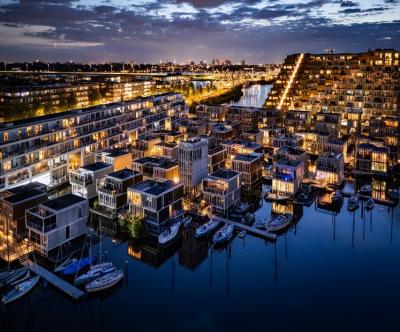
Floating Houses Amsterdam – Dutch Floating Houses Against Climate Change

The Netherlands is one of the most vulnerable countries to climate change, with about a third of its area lying below sea level and the rest regularly at risk of flooding. As sea levels are forecast to continue to rise and extreme rains increase, the government is not only strengthening dikes and tidal culverts, but also testing new adaptation models. Floating housing in Amsterdam – typically the Waterbuurt and Schoonschip districts – is seen as "urban laboratories" for a new way of living: not only fighting floods, but actively living with water. In parallel with climate pressures, Amsterdam faces a shortage of housing and scarce land funds. The expansion of the city to the water helps solve two problems at the same time: increasing the supply of housing without encroaching on more land, and at the same time testing an urban model that is able to adapt to flooding and sea level rise.

Kampung Admiralty Singapore Tropical Green Architecture and Lessons for Vietnams Cities

20/11/2025

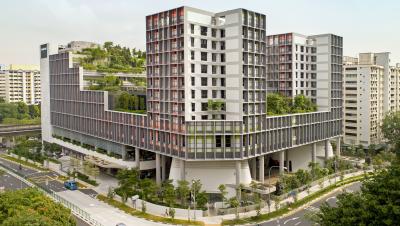
Kampung Admiralty Singapore: Tropical Green Architecture and Lessons for Vietnam's Cities

Kampung Admiralty - the project that won the "Building of the Year 2018" award at the World Architecture Festival - is a clear demonstration of smart tropical green architecture. With a three-storey "club sandwich" design, a natural ventilation system that saves 13% of cooling energy, and a 125% greening rate, this project opens up many valuable lessons for Vietnamese urban projects in the context of climate change.

Tropical Modern Villa Architecture – A Unique Impression in Urban Vietnam

10/11/2025

Tropical Modern Villa Architecture – A Unique Impression in Urban Vietnam

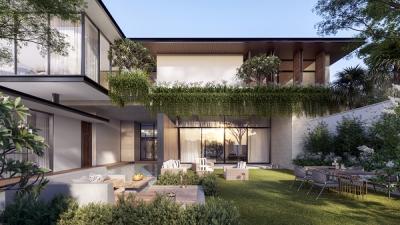
In the midst of the hustle and bustle of urban life, many Vietnamese families are looking for a different living space – where they can enjoy modernity without being far from nature. Tropical Modern villa architecture is the perfect answer to this need. Not only an aesthetic trend, this is also a smart design philosophy, harmoniously combining technology, local materials and Vietnam's typical tropical climate.

Hemp-lime (hempcrete) From hemp to green building materials

25/10/2025

Hemp-lime (hempcrete): From hemp to green building materials

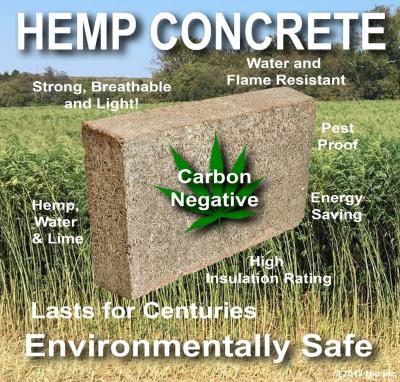
Hemp-lime (hempcrete) is a non-load-bearing covering material consisting of a hemp wood core (hemp shiv/hurd) combined with a lime-based adhesive, outstanding for its insulation – moisture conditioning – indoor environmental durability; in particular, IRC 2024 – Appendix BL has established a normative line applicable to low-rise housing, strengthening the technical-legal feasibility of this biomaterial.

Bahrain World Trade Center Advanced Structure and Sustainable Design Principles – A Modern Architectural Icon

11/10/2025

Bahrain World Trade Center: Advanced Structure and Sustainable Design Principles – A Modern Architectural Icon

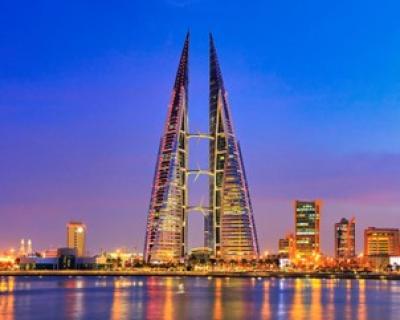
Amid rapid urbanization and global climate change, architecture is not only construction but also the art of harmonizing people, the environment, and technology. The Bahrain World Trade Center (BWTC)—the iconic twin towers in Manama, Bahrain—is a vivid testament to this fusion. Completed in 2008, BWTC is not only the tallest building in Bahrain (240 meters) but also the first building in the world to integrate wind turbines into its primary structure, supplying renewable energy to itself [1]. This article explores the BWTC’s structural system and design principles, examining how it overcomes the challenges of a desert environment to become a convincing sustainable model for future cities. Through an academic lens, we will see that BWTC is not merely a building but a declaration of architectural creativity.

Transparent Wood – A Future Material to Replace Glass in Green Architecture

04/10/2025

Transparent Wood – A Future Material to Replace Glass in Green Architecture

As buildings move toward net zero architecture and glare free daylighting, traditional glass façades reveal limitations: high thermal conductivity (~0.9–1.0 W/m·K), susceptibility to glare, and shattering on impact. In this context, transparent wood (TW) is emerging as a multifunctional bio based material: it offers high light transmission yet strong diffusion (high haze) to prevent glare, lower thermal conductivity than glass, and tough, non shattering failure. Recent reviews in Energy & Buildings (2025) and Cellulose (2023) regard TW as a candidate for next generation windows and skylights in energy efficient buildings. [1]

Flood-Free City The Secret of the Fushougou System

27/09/2025

Flood-Free City: The Secret of the Fushougou System

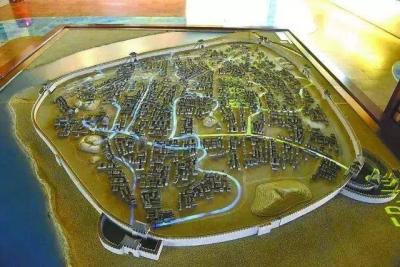
Urban flooding is one of the greatest challenges of the modern era, when sudden and unpredictable rainstorms can paralyze entire cities. Few would imagine that over a thousand years ago, people had already discovered a sustainable solution: the Fushougou drainage system in the ancient city of Ganzhou, Jiangxi. Built during the Northern Song dynasty, this project remains effective to this day, protecting the city from floods—even during historic deluges. The story of Fushougou is not only a testament to ancient engineering but also a valuable reference for today’s cities seeking answers to water and flooding problems.

Carbon-Negative Concrete Technology The Future of Environmentally Friendly Building Materials

20/09/2025

Carbon-Negative Concrete Technology: The Future of Environmentally Friendly Building Materials

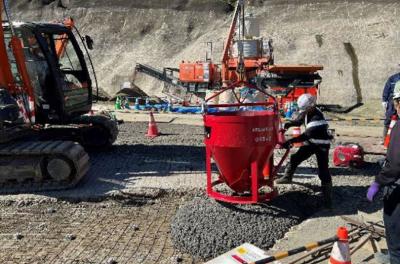
The construction industry is currently facing immense pressure to reduce carbon emissions, as concrete is not only one of the most widely used materials but also a major source of CO₂ due to its reliance on Portland cement. In response, Shimizu Corporation has conducted extensive research to develop sustainable material solutions aimed at achieving carbon neutrality. One of the most remarkable outcomes is carbon-negative concrete, which partially replaces cement and aggregates with biochar. This biochar is produced from sawdust through a carbonization process and has the unique ability to retain a significant amount of carbon that would otherwise be released into the atmosphere through natural decomposition or combustion. Thanks to this property, carbon-negative concrete not only maintains the necessary mechanical strength for construction but also directly contributes to reducing greenhouse gas emissions. This innovation is considered a promising step that opens new directions for the advancement of green construction in Japan and worldwide.