Gypsum ceiling trim (also known as gypsum molding) is a type of trim made of uPVC plastic. The trim is used to attach to the gypsum before plastering, helping to create sharp and clear details in the gypsum: corners, edges, and joints .
The main function of drywall ceiling trim.
- Create sharp, angular details for drywall ceilings and walls.
- Create unique details: shading gaps, intricate angles.
- Prevents chipping and cracking of edges, and protects against moisture damage to drywall ceilings and walls.
- This helps to make construction faster and easier, thereby speeding up the construction progress.
- Enhances a "sharp and defined" look, suitable for modern interior spaces.
Advantages compared to metal plasterboard trims.
- Gypsum board trim is made from uPVC plastic material and can be easily cut and shaped.
- Unlike zinc, aluminum does not rust, so it has a longer lifespan and greater durability.
- Plastic materials are easier to paint and plaster because they "absorb" paint more readily than metal.
- The plastic material has good elasticity and can be easily adjusted to the surface of the ceiling or wall.
- Quick installation, easy replacement and repair in case of malfunction or damage.
Genta's classification of drywall ceiling trims
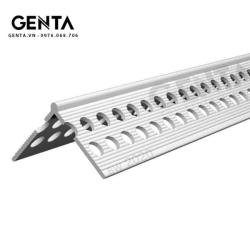
V-shaped corner trim for plasterboard
Used at the corners of plasterboard ceilings, it helps create sharp, right angles and prevents chipping of the edges.
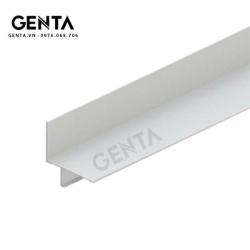
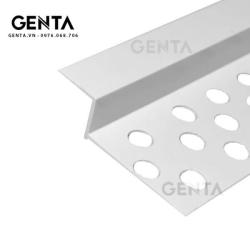
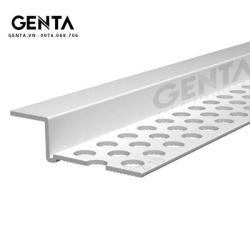
Z-shaped molding for drywall ceilings
Used to create gaps between drywall ceilings and walls, and between drywall walls and floors. Helps prevent cracking and creates a modern decorative accent.
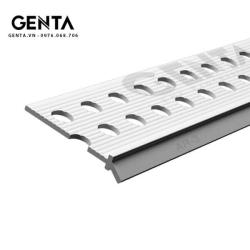
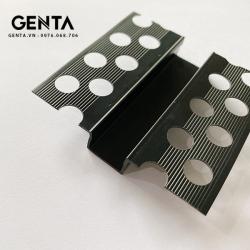
Recessed plasterboard trim
Used to create recessed joints on the surface of drywall ceilings and walls. It can also be used to create expansion joints and decorative gaps in drywall.
Applications of drywall ceiling trim
- Suitable for projects requiring high-quality, precise plasterwork details such as villas, luxury apartments, and Class A offices, etc.
- For areas with intricate details that are difficult to beautify using manual methods.
- In buildings with large gypsum ceiling areas: factories, shopping malls, schools, hospitals, etc.
- Areas where gypsum ceilings are used in humid conditions are prone to cracking and dampness, such as bathrooms and toilets.
Things to note when installing drywall trim.
- Miter cuts at intersections : Cutting 45-degree miter cuts at intersections helps the drywall ceiling trim strips fit together more tightly and squarely, without gaps. This makes the installation process more precise and aesthetically pleasing.
- Use staples to secure the drywall trim instead of screws: Screws often protrude, requiring more putty to cover the exposed area. Using staples is simpler, easier to install, and allows for easier painting and plastering.
- Paint the entire surface of the molding to match the color of the drywall ceiling: when painting, both the drywall ceiling/wall and the molding surface should be painted. Painting helps to conceal the drywall molding and creates a more uniform ceiling/wall surface.







 Members